Description
True lavender, not lavandin.
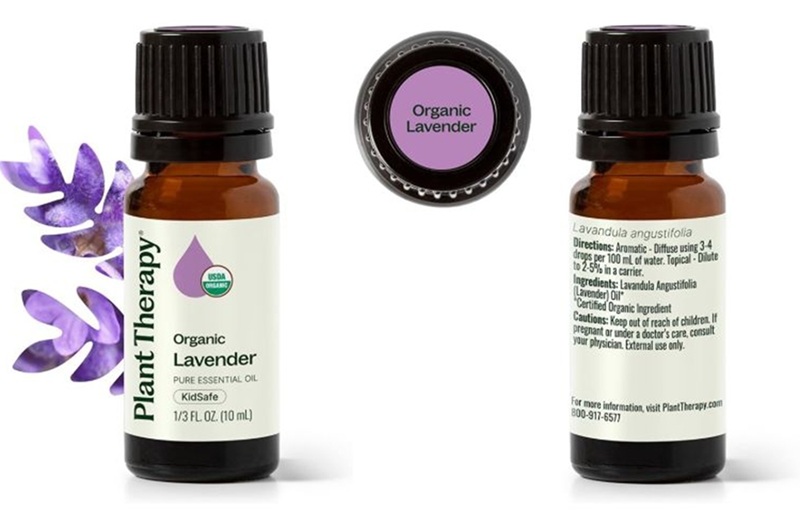
Steam-distilled from the flowering tops of Lavandula angustifolia. Soft, sweet, and floral. Tested using GC/MS.
- Botanical Name: Lavandula angustifolia (true lavender)
- Plant Part: Flowering tops
- Extraction Method: Steam distillation
- Perfumery Note: Middle
- Certification: USDA Organic
- Testing: GS/MC report for each batch, available from the manufacturer.
- Size: 10 ml (1/3 oz)
- Bottle: Amber glass with a polypropylene orifice reducer.
- Storage: Cool, dark, tightly capped. Use by the date on the label.
Scent Profile
Soft and sweet initially, with a clean herbaceous edge and a faint powdery finish as it dries down. Rounder and gentler than lavandin, without the sharp camphor note that reads as “medicinal”. If you know lavender mainly from soap or laundry products, expect this to smell quieter. Many of those contain little or no true lavender.
Blends well with: Bergamot · Roman chamomile · Geranium · Clary sage · Cedarwood
Ways to Use It:
- In a diffuser: thin enough for ultrasonic and nebulizing diffusers alike. Not for heat warmers, which degrade it.
- On skin, diluted: always in a carrier oil; never use straight from the bottle.
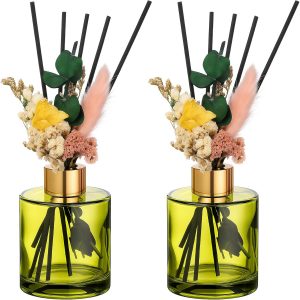
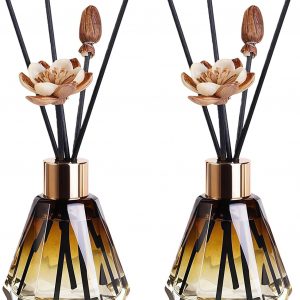
- In a reed diffuser blend: It is a perfumery middle note, so it holds up well in passive diffusion.
Before You Use It (for safety)
- This Lavender essential oil is for external and aromatic use only. Do not take internally.
- Dilute before applying to skin, and patch-test first.
- Lavender is well tolerated when fresh, but oxidized oil can irritate skin. Keep the cap on and the bottle out of light, and don’t use oil past its date.
- If pregnant, breastfeeding, or taking medication, check with your doctor first.
- Pets: There’s a moderate risk for cats and dogs; avoid entirely around birds. Diffuse only in rooms animals can leave, for 30 to 60 minutes at a time with ventilation, and never apply to an animal.
- Keep out of reach of children.
Why the Botanical Name Matters
The label alone won’t tell you which you’re buying. Lavender is among the most commonly adulterated essential oils, cut with lavandin, spike lavender or synthetic linalool. Look for the botanical name, Lavandula angustifolia, and a batch test to back it.
Lavender and lavandin are different plants. Lavandin is a hybrid of true lavender and spike lavender. It yields several times more oil per acre, costs far less, and carries noticeably more camphor. It’s a good oil in its own right. It just isn’t this one.
Ask for the report. For every product we sell, the manufacturer has a GC/MS analysis on file, available on request.
Store it cool, dark, and capped. Fresh lavender is one of the gentlest oils on skin. Oxidized oil is not, so use it within the date on the label.